April 10, 2024 · 5 min read
Elbow Injuries: Types, Treatment Procedures, and Medications
From fractures to bursitis, knowing how elbow injuries develop — and how to treat them — helps you protect mobility and stay pain-free.
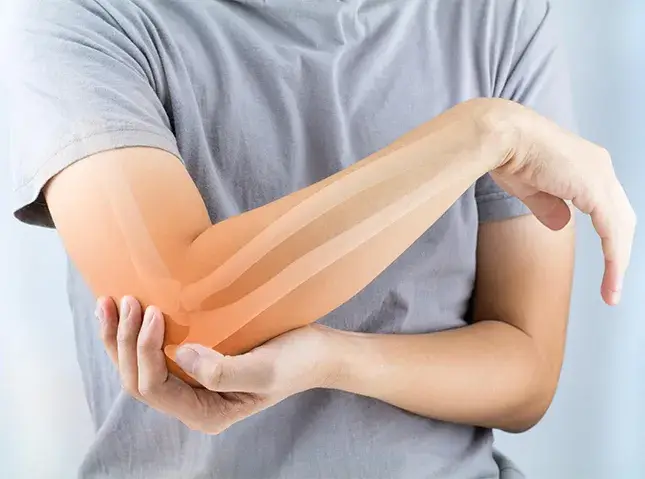
Elbow injuries are common in both active and sedentary lifestyles. Understanding the injury types, recommended treatments, and medication support sets you up for quicker, safer recovery.
Types of Elbow Injuries
Elbow trauma spans acute and chronic conditions. Frequent issues include:
- Fractures: Breaks in any of the bones forming the joint.
- Dislocations: Bones forced out of alignment after falls or impact.
- Tendinitis: Overuse inflammation of the forearm tendons.
- Bursitis: Irritation of the fluid-filled bursa that cushions the elbow.
Treatment Procedures
Care plans depend on severity and injury type:
- R.I.C.E. method: Rest, ice, compression, and elevation for early swelling control.
- Physical therapy: Mobilisation, stretching, and strengthening to restore function.
- Surgery: Reserved for complex fractures, dislocations, or tendon ruptures.
Medications
Targeted medications help manage discomfort and swelling:
- Pain relievers: Acetaminophen for baseline pain control.
- NSAIDs: Ibuprofen or similar drugs reduce inflammation.
- Corticosteroids: Injections for short-term relief of severe inflammation.
Conclusion
Consult a healthcare professional for personalised diagnosis and care. With prompt treatment, most people return to daily activities without lasting issues. Prevent injuries by practising good technique, taking breaks from repetitive motions, and strengthening supporting muscles.
Disclaimer: This article is informational only and does not replace medical advice. Always follow guidance from a qualified healthcare provider.